Heatwave
Listen carefully to weather forecasts or visit websites, heed warning and advice.
Visit the Met Office's 'WeatherReady' website for advice and guidance on preparing for warmer weather.
Visit the Met Office website for 'Ten things to do now to prepare for Summer' and 'Looking after pets during hot weather'.
Register to receive Weather-Health alert emails from the UK Health Security Agency that provide an early warning when adverse temperatures are likely to impact on health and wellbeing of the population.
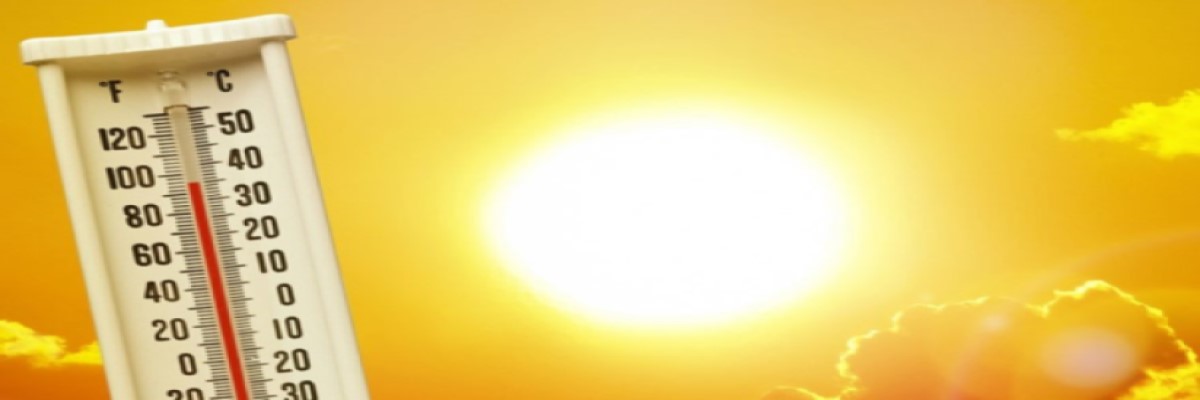
Keep out of the sun at the hottest time of the day, between 11am and 3pm.
Visit the Met Office website, ‘WeatherReady’ and UK Weather Warnings to find weather warnings, forecasts and general advice about how to prepare for extreme weather.
UK Health Security Agency in association with the Met Office, issue ‘Heat-Health Alerts’ between 1 June and 15 September each year. The alerts focus on the health impacts from periods of high temperatures, which may particularly affect the health of vulnerable groups, such as people with underlying health conditions, or the public more broadly.
You should monitor the Met Office weather warnings for any Extreme Heat warnings and also any heat-health alerts.
Plan any journeys or activities with the weather in mind and take emergency supplies in your vehicle.
Make sure you take water with you, if you are travelling.
Look out for those who may struggle to keep themselves cool and hydrated. Older people, those with underlying conditions and those who live alone are particularly at risk.
Stay cool indoors : close curtains on rooms that face the sun and remember it may be cooler outdoors than indoors.
Drink plenty of fluids and avoid excess alcohol.
Never leave anyone in a closed, parked vehicle, especially infants, young children or animals.
Walk in the shade, apply sunscreen and wear a wide-brimmed hat, if you have to go out in the heat.
Avoid physical exertion in the hottest parts of the day.
During warm weather going for a swim can provide much welcomed relief. If you are going into open water to cool down, take care and follow local safety advice.
If you are going to do a physical activity (for example exercise or walking the dog), plan to do these during times of the day when it is cooler such as the morning or evening.
Keep your home cool by closing windows and curtains in rooms that face the sun.
If you do go outside, cover up with suitable clothing such as an appropriate hat and sunglasses, seek shade and apply sunscreen.
Know the symptoms of heat exhaustion and heatstroke and what to do if you or someone else has them.
Health & Well-being
Monitor for delayed heat illness: Symptoms of heat exhaustion or heatstroke can appear days later. Watch out for dizziness, nausea, intense thirst, or confusion.
Stay hydrated: Even though the temperature may have dropped, your body needs time to recover its fluid balance. Keep drinking plenty of water.
Home & Property
Air out the property: Once the outside air is cooler than the inside of your house, open windows on opposite sides to create a cross-breeze.
Check for heat damage: Inspect the exterior of your home for warped PVC, dried-out sealant around windows or roof issues caused by thermal expansion.
Click on the images below to be directed to further information provided by the organisation.