Winter Weather
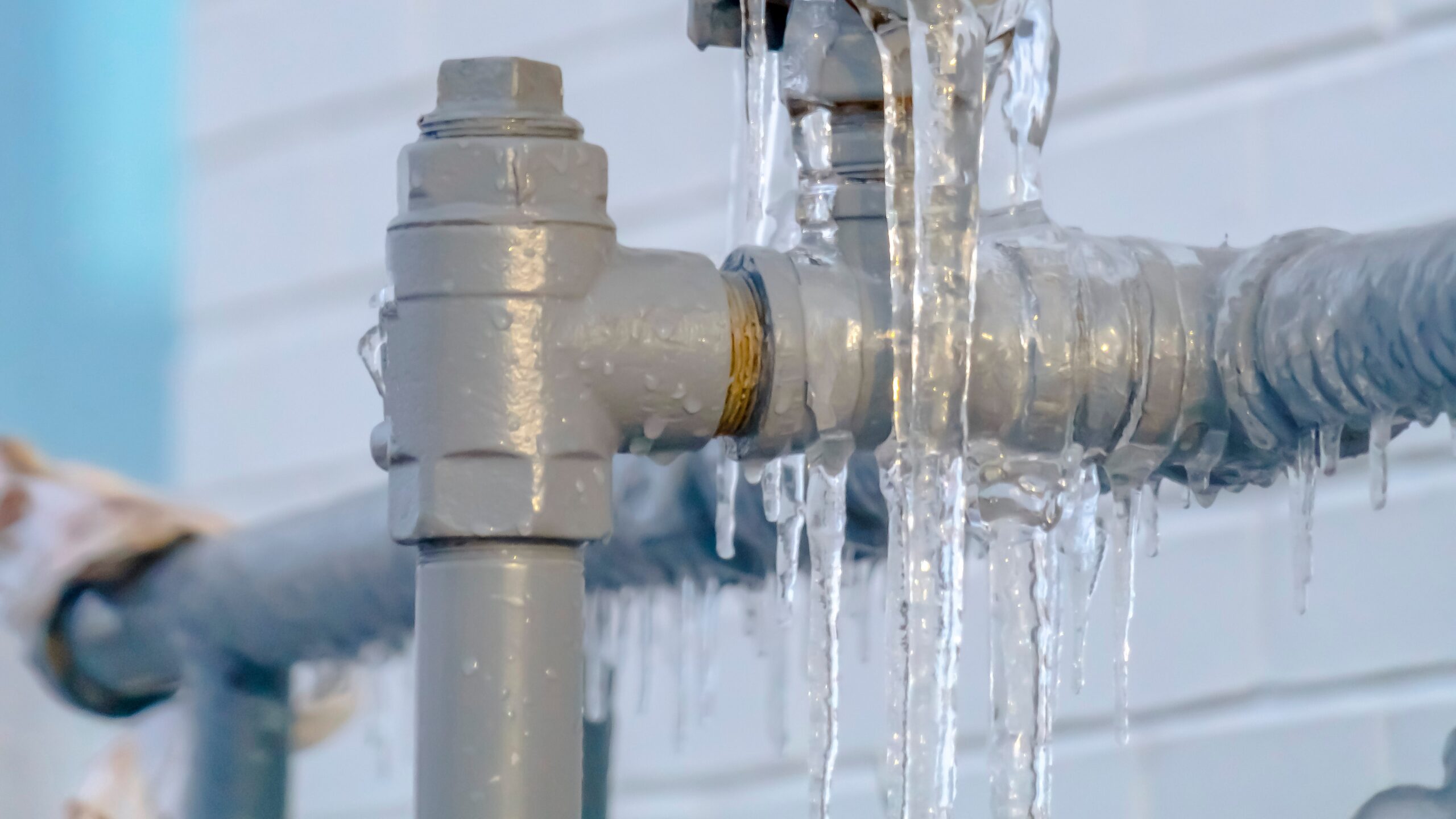
Prepare your home – make sure your house is sufficiently insulated (water tank, loft and water pipes). Have your appliances serviced by a Gas Safe registered engineer and keep a torch handy.
Listen to weather forecasts and pay attention to any warnings of extreme weather.
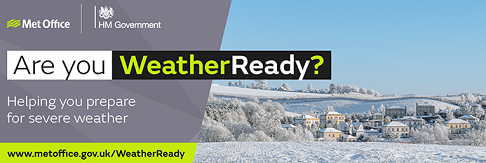
Visit the ‘WeatherReady’, ‘UK Weather Warnings’ and ‘UK Storm Centre’ webpages provided by the Met Office.
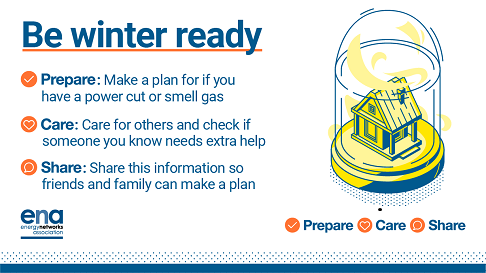
Visit the ‘Be Winter Ready’ webpage provided by the Energy Networks Association.
Visit the NHS Winter Health website for tips on how to stay healthy over winter.
Register to receive Weather-Health alert emails from the UK Health Security Agency that provide an early warning when adverse temperatures are likely to impact on health and wellbeing of the population.
Prepare your car – make sure you have sufficient fuel, screen wash, suitable tyres, a high visibility jacket, blankets and a spade.
If you have to travel, visit the National Highways website for any traffic information that may result in you cancelling or changing your timing and or route. If travelling by public transport, check on a regular basis, the local travel updates provided by Merseytravel.
Vulnerable households can get extra support by signing up to a Priority Services Register. Contact your gas, electricity and utility suppliers to further details.
Food is a vital source of energy and helps to keep your body warm so have plenty of hot food and drinks. Stock up on tinned and frozen foods so you don’t have to go out too much when it’s cold or icy.
Cold weather brings with it bugs and viruses. Keep warm and well this winter by preparing for illness as much as you can. Wear layers of clothing and shoes with a good grip.
Check your heating is in good working order. You should heat your home to a temperature that is comfortable for you, at least 18°C if you can, particularly if you have a pre-existing medical condition.
If the power goes off you can call Freephone 105 to report it or get information.
Avoid non-essential travel. If you do have to travel, plan ahead, and ensure all snow is cleared from your vehicle.
Wear shoes with a good grip to avoid slips and falls on icy surfaces.
Visit the website of your Local Authority to check for unavoidable closures to schools and delays to other services.
Check on elderly or vulnerable relatives and neighbours.
Listen to BBC Radio Merseyside for the latest weather updates.
If you are worried about your health, contact your local pharmacist, 111 or your GP, who will all be able to offer advice and support. In an emergency dial 999.
Visit the Warm Welcome Spaces website for locations near your home that you can visit, make new friends and connect with your community whilst sharing a hot drink.
Remove any snow early in the morning to allow the ice to melt during the day.
Take care when driving or walking on compacted snow as it may have turned to ice. If possible, travel during the day and stay on main roads and avoid back road shortcuts.
Be ready for the snow to melt and be aware of the risk of flooding.
Check your property for damage to pipes and gutters which may have been damaged by the cold temperatures and snow.
Replenish your stocks of de-icer and grit/salt.
Monitor your health and if you have any symptoms consult your doctor for advice.
Click on the images below to be directed to further information provided by the organisation.