Storms and Gales
Listen carefully to weather forecasts or visit the Met Office website for weather warnings and details of risks in your area.
Check your insurance cover related to storm damage.
Check the condition of trees/structures near to your home.
Secure outdoor items such as bins, garden furniture and trampolines to prevent them being blown into roads or through window.
Close and fasten windows and doors securely.
Park vehicles in a garage if available; otherwise keep them clear of buildings, trees, walls, and fences.
Be aware of flood risk by signing up for flood warnings.
Listen carefully to weather forecasts or visit websites, heed warning and advice.
Stay indoors as much as possible.
Avoid non-essential travel. If you must travel, allow extra time.
Drivers should slow down, be aware of side winds and look out for debris blown into the road.
Take extra care when driving on exposed routes, such as bridges and high open roads, or if towing or in a high sided vehicle.
Put away/secure anything that can be blown about possibly causing damage to your home or car.
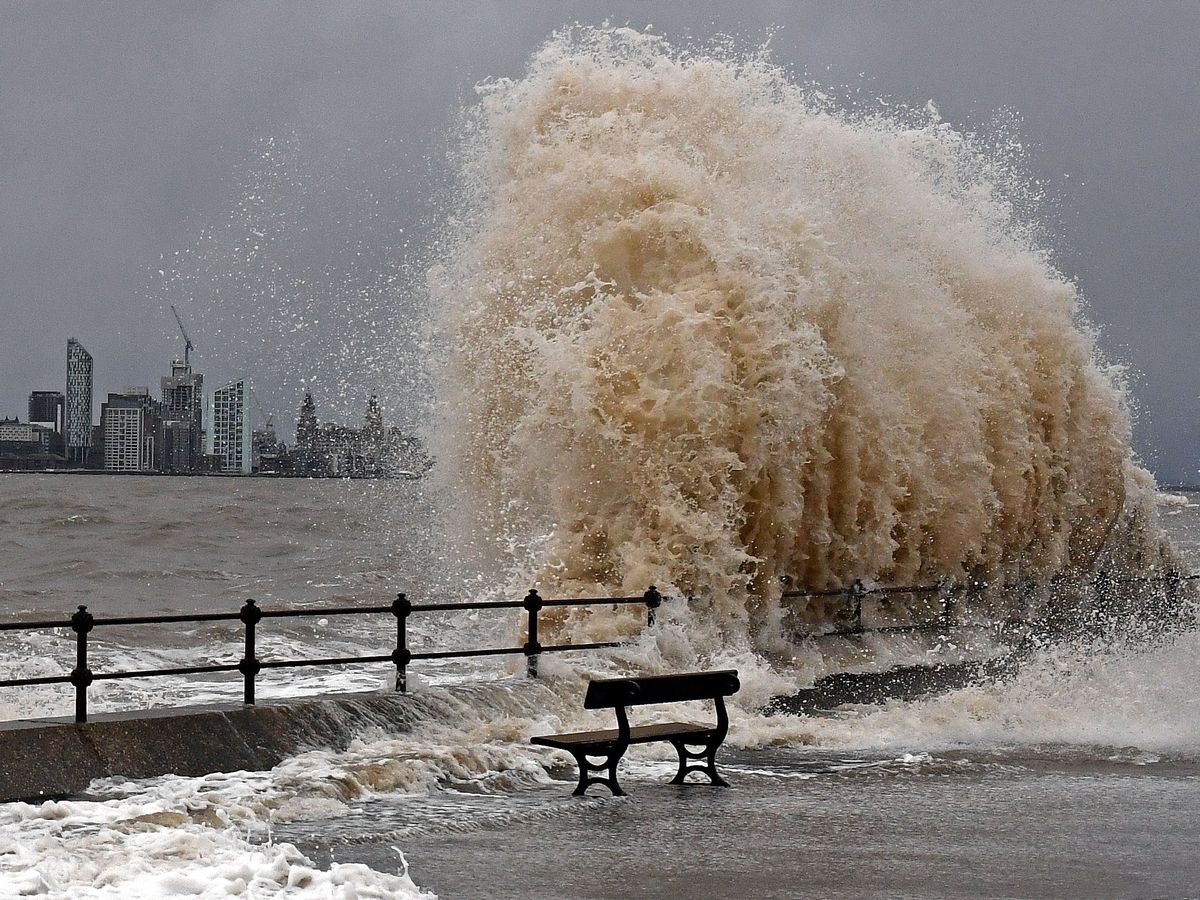
Avoid the coast. Large waves and sea spray can be dangerous on beaches, promenades, coastal footpaths, and roads.
Never walk or drive through flood water.
Do not go outside to repair damage while the storm is in progress.
Check on neighbours, especially those who are elderly or vulnerable to see if they need help.
Tune into BBC Radio Merseyside for the latest weather updates.
Consider any damage caused during the storm or gale, in particular loose cables that have been blown down or are still hanging, if in doubt obtain expert advice and do not touch them.
Avoid walking near walls, buildings and trees that may have been weakened.
Check on any vulnerable neighbours or relatives and help them arrange repairs, if required.
Click on the images below to be directed to further information provided by the organisation.